By: Pixie
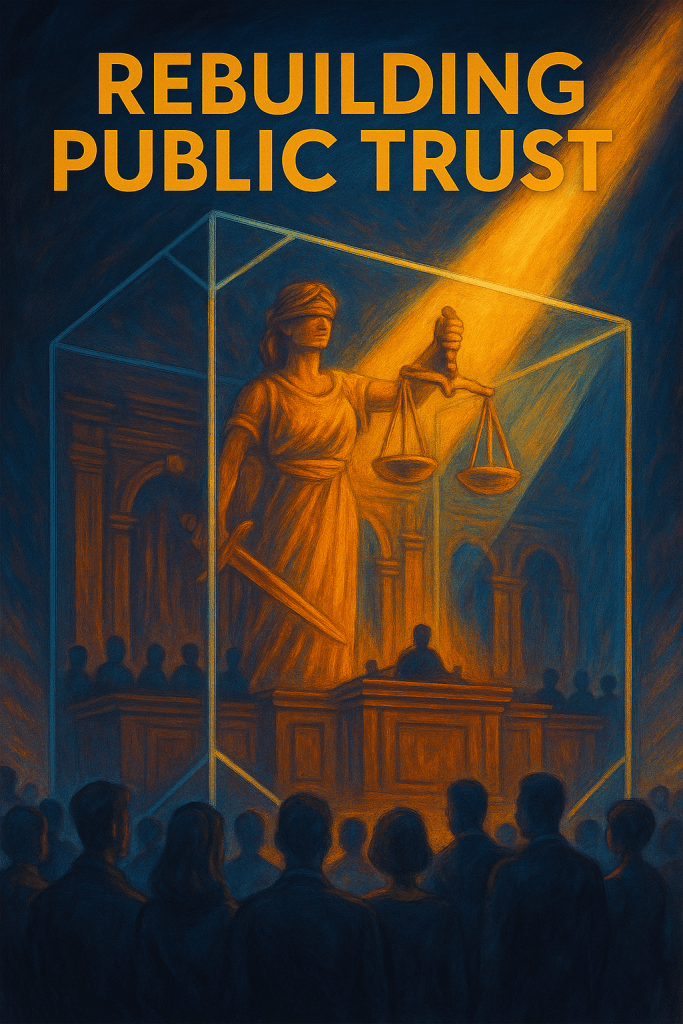
The Problem We Pretend Not to See
South Korea doesn’t just have a justice problem — it has a trust problem.
And that trust didn’t disappear because people suddenly woke up cynical one morning. It’s been earned — brick by brick — through years of watching certain people waltz out of courtrooms untouched, while others are shredded publicly before a judge even hears the case.
And here’s the bitter truth: when the public sees chaebols, political insiders, and industry darlings walk away from real crimes with nothing more than a wrist tap, they assume everyone with money or status gets the same privilege. That perception fuels a culture of “guilty until proven untouchable” — a knee-jerk reaction to every scandal, whether the accused earned their wealth through hard work or inherited it.
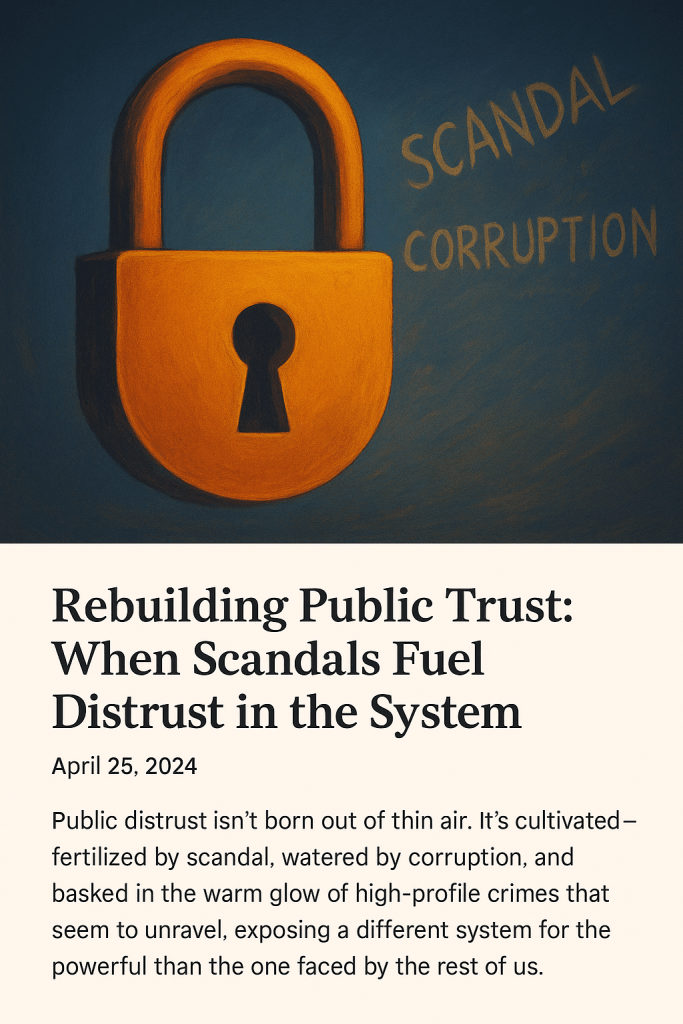
Why Public Trust is on Life Support
Let’s be honest — corruption in political ranks hasn’t exactly helped people feel like the system is working for them.
Too many times, the rules have bent so far for those in power they might as well be yoga instructors.
- Chaebols caught in corporate scandals? Magically “no intent to harm” found.
- Politically connected offenders? A few photo ops of contrition and they’re back to business.
- Entertainment scandals? Careers obliterated in 48 hours — even when the evidence is flimsier than a knock-off luxury bag
It’s no wonder the public doesn’t wait for due process. They’ve been trained not to.

The Transparency Gap
If you want to rebuild trust, you have to close the gap between what happens behind closed doors and what the public sees. People need proof that:
1. Money doesn’t buy immunity.
2. Political connections don’t turn crimes into “misunderstandings.”
3. The process is consistent — whether you’re a CEO or a student.
Without visible, transparent procedures, the default public reaction will always be: “They’re protecting their own.”
The Steps We Need (And Not the Fluffy Kind
- Independent oversight committees — with teeth, not just titles.
- Public case trackers — if we can follow our parcels in real time, we can track the justice process
- Mandatory disclosure of prosecutorial reasoning — no more mystery “insufficient evidence” excuses without details.
- Media accountability — fines and retractions for running with unverified accusations.
These aren’t “nice to haves” — they’re the bare minimum for convincing the public to stop playing judge, jury, and social media executioner.
The Likely Payoff
Rebuilding trust means dismantling the idea that the system is rigged for the powerful. If the public starts seeing real consequences for everyone, they’ll have less reason to leap to conclusions every time a headline drops. And when scandals do happen, maybe — just maybe — people will wait for facts before setting fire to reputations.
Why It Matters for All of Us
When trust in justice collapses, everyone becomes vulnerable. Today’s target could be tomorrow’s you. Public trust isn’t just about protecting the innocent — it’s about ensuring fairness for the guilty, too, because without fairness for them, there’s no fairness for anyone
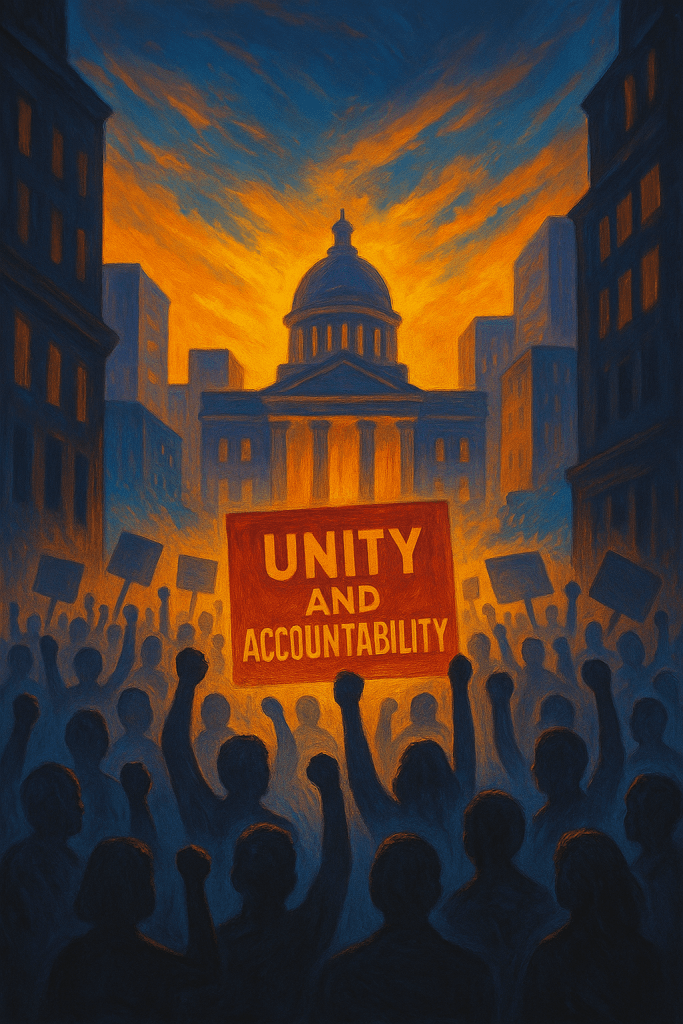
Closing shot: Justice should never be about who you are — it should be about what you did. And if we can’t guarantee that, then we’re not just losing public trust… we’re losing the point of justice itself.
Thanks for stopping by and reading my ramble.
-Pixie


Leave a comment