No Proof, Just Punishment: How South Korea Perfected the Art of Mob Mentality
By: Pixie

Anonymous Post = Career Death Sentence
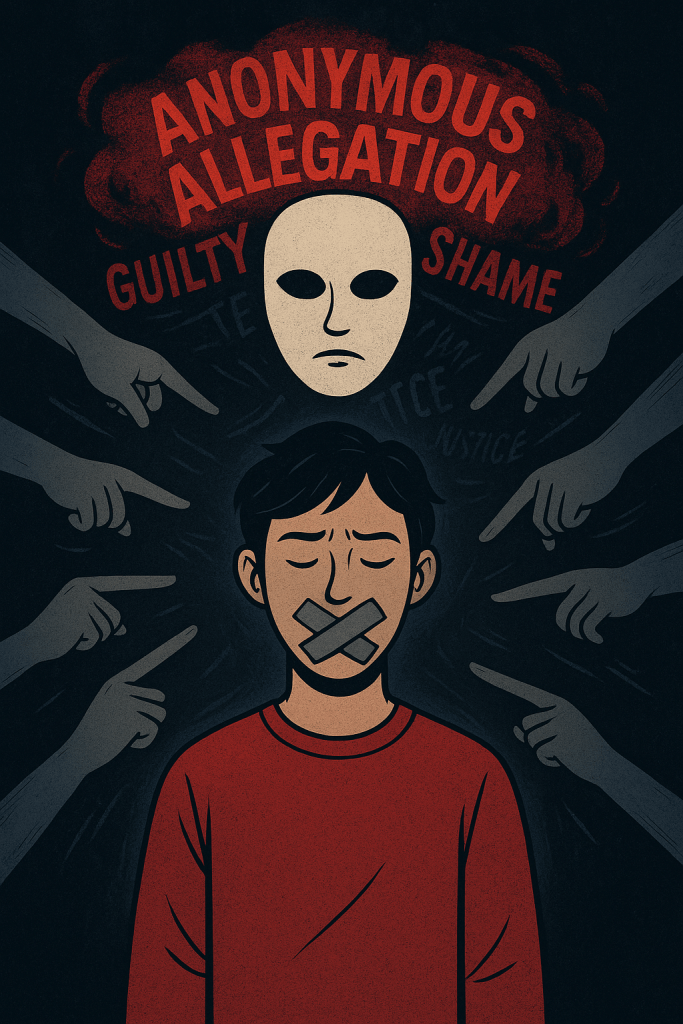
Let’s stop pretending this is normal. An anonymous post from someone’s throwaway account appears—no name, no receipts, just vibes—and suddenly it’s treated like gospel. Comment sections light up, media latches on, and within 12 hours, someone’s entire career is on fire. It doesn’t matter if it’s true. It only matters that it’s clickable. This is the reality show that is South Korean cancel culture—and the prize is public ruin.
Mob Justice Masquerading as Morality
They call it accountability. I call it what it is: performance harassment. The second an accusation drops, people rush to declare guilt. No space for questions, no interest in facts. Just a chorus of strangers cosplaying judge, jury, and executioner from behind a screen. And when the truth finally surfaces? Nobody cares. The damage is already done. The mob’s moved on.
Now That the Lawsuits Are Real, So Is the Regret
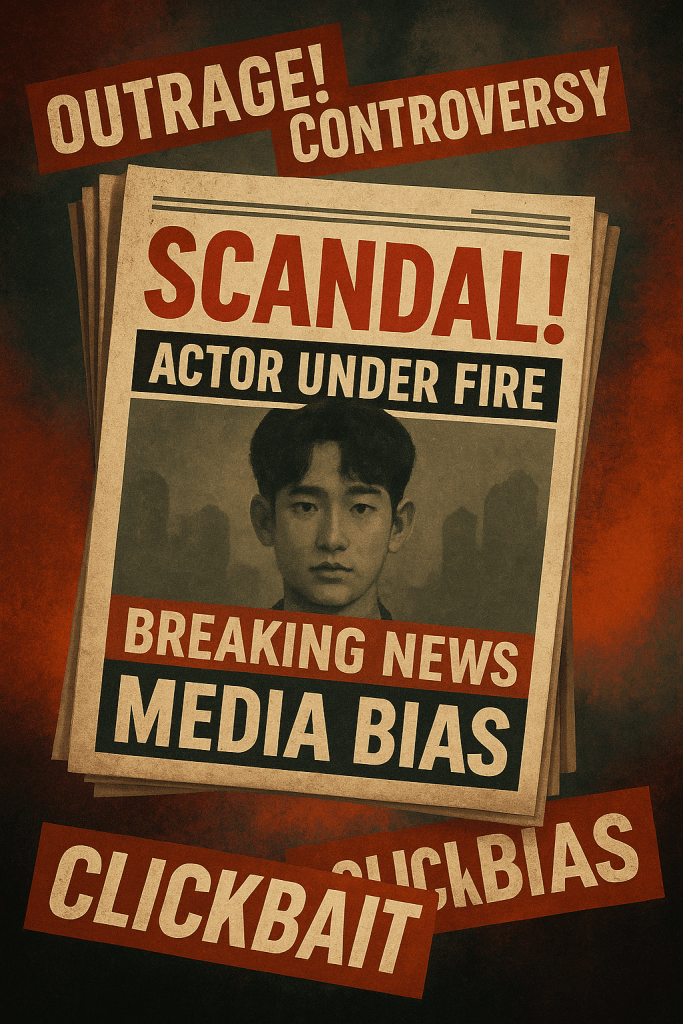
Kim Soo-hyun is the latest example. They terminated his contracts publicly, made a spectacle of suing him, and used doctored evidence to do it. Meanwhile, netizens were out here frothing in the replies, demanding every brand, every co-star, every staff member abandon him. But now? The panic is setting in. They’re realizing those lawsuit threats from the fan union and Gold Medalist weren’t just idol fanfiction—they’re very real, and very legal. So here come the backpedals: “I was just hasty in judgment,” “I deleted the post,” “I didn’t know the full story.”
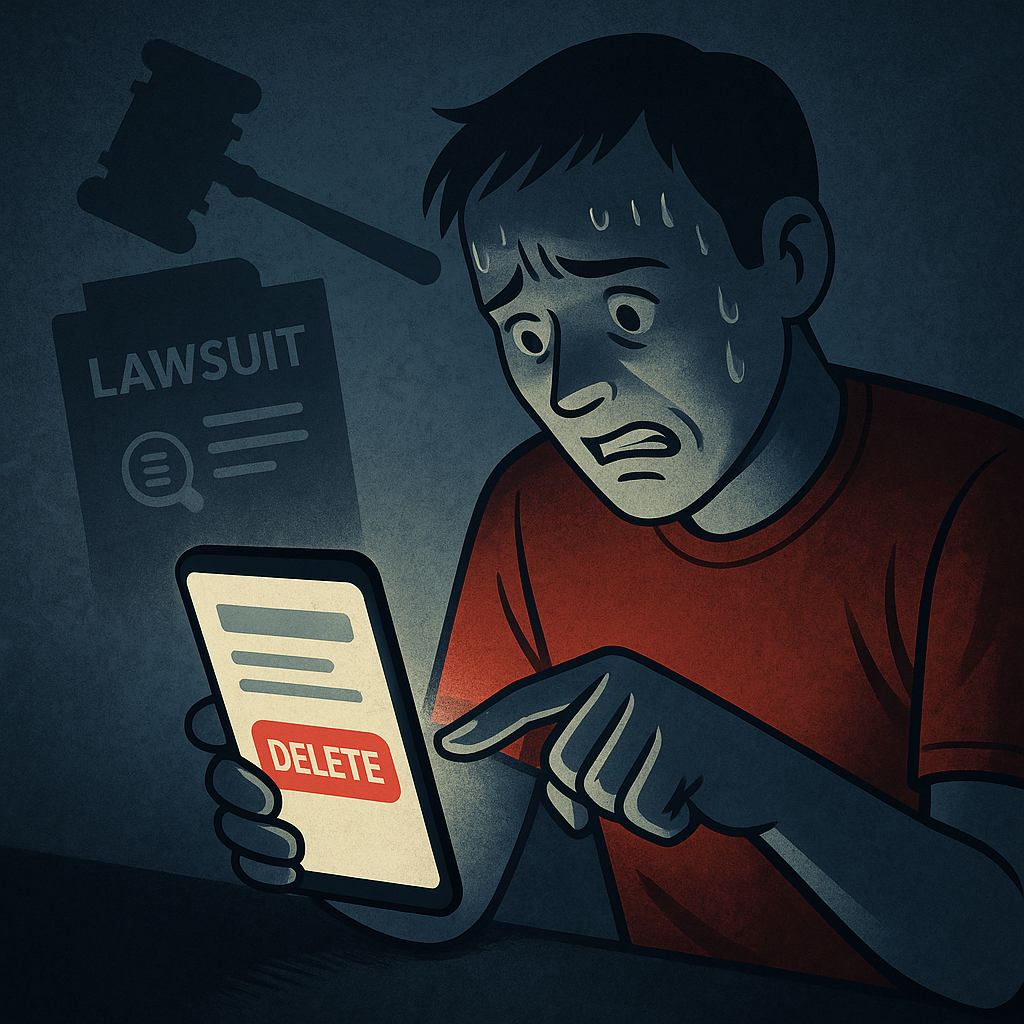
Oh, and let’s not forget the fake feminists—the ones who used selective outrage to push a false narrative, now hoping to vanish like they weren’t part of the smear campaign. Too late. The internet doesn’t forget, even if you wish it would.
Mourning the Victims They Helped Destroy
We’ve seen this before. Sulli was hounded for everything—how she dressed, how she spoke, how she lived. The same people who drove her into isolation had the audacity to mourn her after the fact. Suddenly they cared about mental health? Spare me. And when someone dared to insert Kim Soo-hyun’s name into her tragedy—fueled in part by Sulli’s brother trying to stir the pot—it showed just how far people will reach when they want a villain.
Hypocrisy in Rotation: The Kim Sae-ron Switch-Up
Now they’re doing it with Kim Sae-ron. After the DUI, they tore her apart. She was every insult under the sun. Now? The very same users are crying victim on her behalf—only because it gives them ammo to go after someone else. It’s not real concern. It’s narrative recycling. Support her or don’t, but don’t pretend you were ever on her side when you helped bury her.
Outrage as Performance, Not Principle
This isn’t about truth—it never was. It’s about clout, control, and curated outrage. Being the first to cancel, the loudest to accuse, the most self-righteous in the replies. And the media? They eat it up. They give anonymous posts front-page coverage, spin narratives off nothing, and amplify whoever shouts loudest, not whoever’s right. That’s how fake feminists and bandwagon activists gained traction—by cloaking manufactured outrage in a veil of morality. It was never about protecting women. It was about using buzzwords and weaponized empathy to justify hate.
These comment sections? They aren’t about justice—they’re performance stages. And the crowd doesn’t care about truth. They want a show.
Headlines Designed to Manipulate
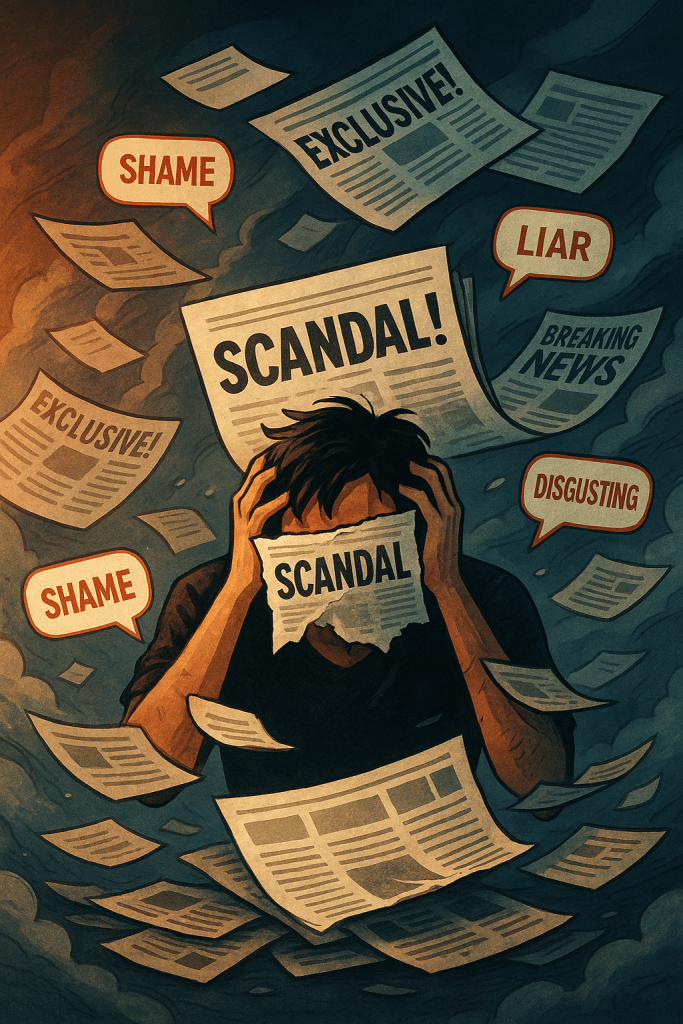
Look at how much attention Kim Se-ui (Ga Se-yeon) and the family were given. The media handed them the mic and a spotlight, no questions asked. Every article rehashed the false narrative in the opening paragraph—before getting to the actual point—just to make sure the smear stuck. That wasn’t reporting. That was propaganda. Meanwhile, any real case updates? Drowned. Buried. Ignored. And they couldn’t help themselves—using the photo of Kim Soo-hyun crying at the press conference every chance they got, trying to paint him as broken instead of betrayed. They even slapped his name in headlines when the articles weren’t even about him. They knew what they were doing. And so do we.
The Mob Doesn’t Want Justice. It Wants Blood.
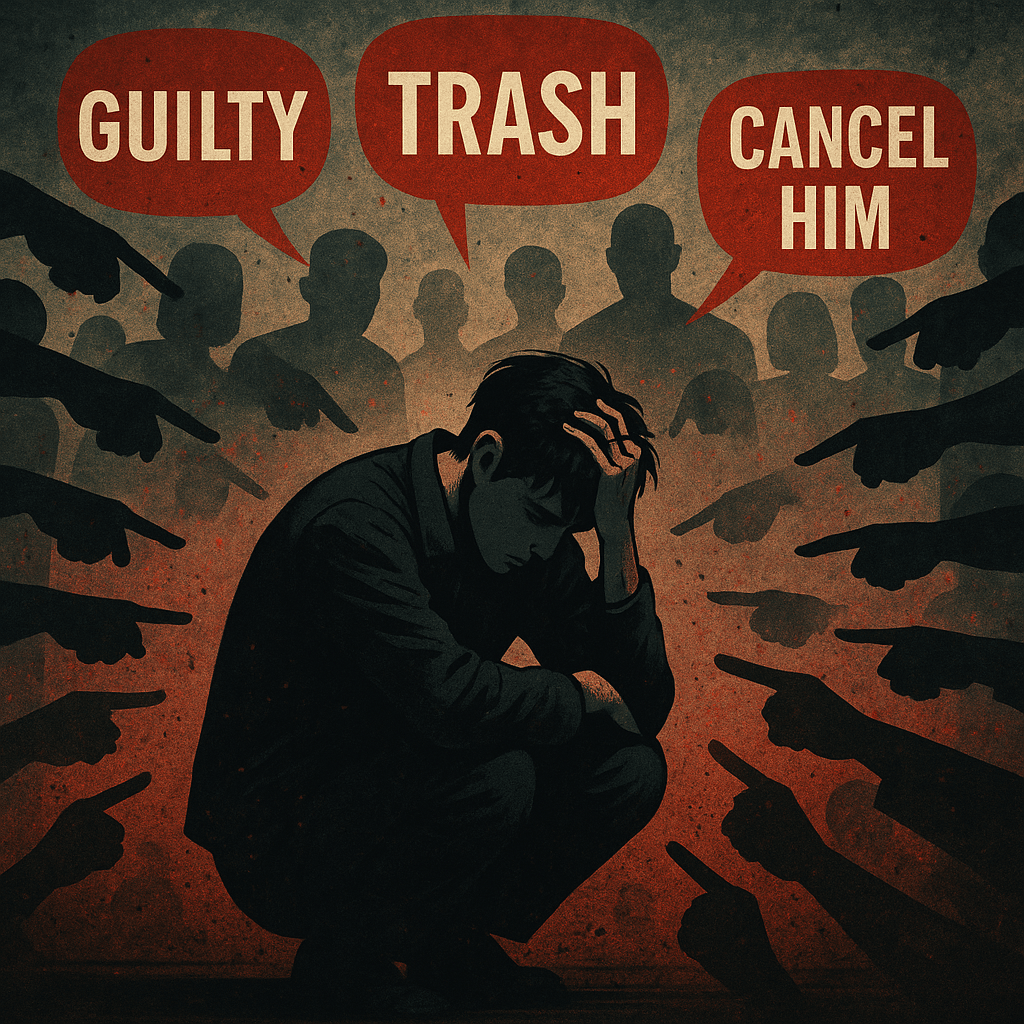
Then when someone spirals, breaks down, or worse, everyone gasps: “How could this happen?” Easy. You did it. You mocked them. You stripped them of everything, laughed while doing it, and now want to pretend you’re just an innocent bystander? No. You’re not a spectator. You’re a participant.
Manufactured Scandal, Industrialized Silence
Mob culture is not justice. It’s a high-speed hit job dressed up in moral language. In South Korea, it’s practically industrialized. The media stirs the pot, agencies fold under pressure, and the public plays along like it’s a group activity. Then they act shocked when someone doesn’t survive it. This is a machine—and people are its fuel.
He Fought Back. Now They’re Scrambling.
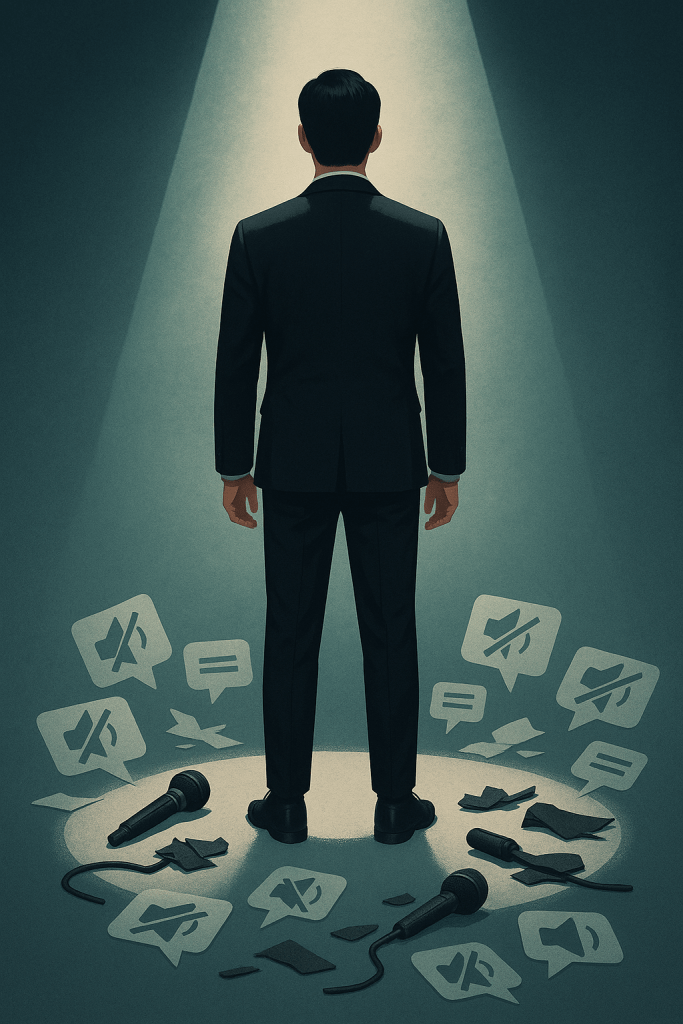
Kim Soo-hyun didn’t crumble. He fought back. And because he did, people are panicking. Suddenly the lies aren’t sticking, the evidence isn’t holding, and the crowd is left exposed—caught on camera tearing someone down with zero proof. But it shouldn’t take this much hell just to prove you’re innocent. The fact that truth is treated like a plot twist says everything.
If You’re Silent Now, You’re Not Neutral
We can’t keep pretending cancel mobs are about accountability. They’re about control, fear, and destruction. They reward the loudest, not the most truthful. And until this cycle breaks—until people stop accepting anonymous hate as truth—this will keep happening. To someone else. Then someone else. Then maybe, one day, to someone you actually care about.
And then what?
Thanks for reading
Pixie


Leave a comment